Political Sociologist · Public Scholar · UNESCO Advisor
About
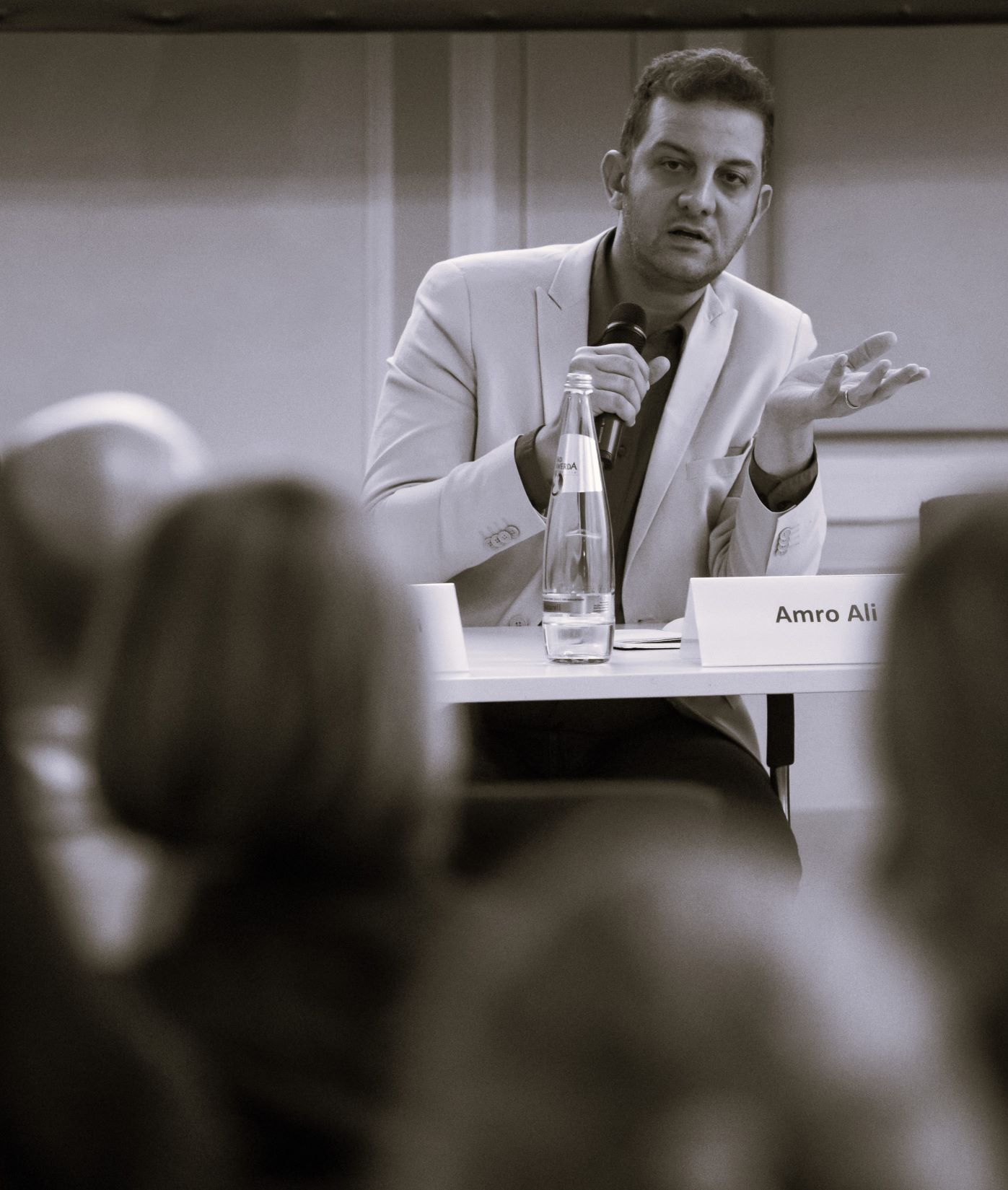
I’m a political sociologist, public scholar, and UNESCO advisor for the Arab region. When inherited ways of understanding the world begin to unravel is when I explore the emergent fractured modernities and how affected societies recreate meaning and rebuild the political imagination. In more recent years, I have taken my research further by exploring the dialogue between the political, science and technology, to advise on research and policy regarding the fast-moving political and technological developments that have exceeded societies’ adaptive capacities.
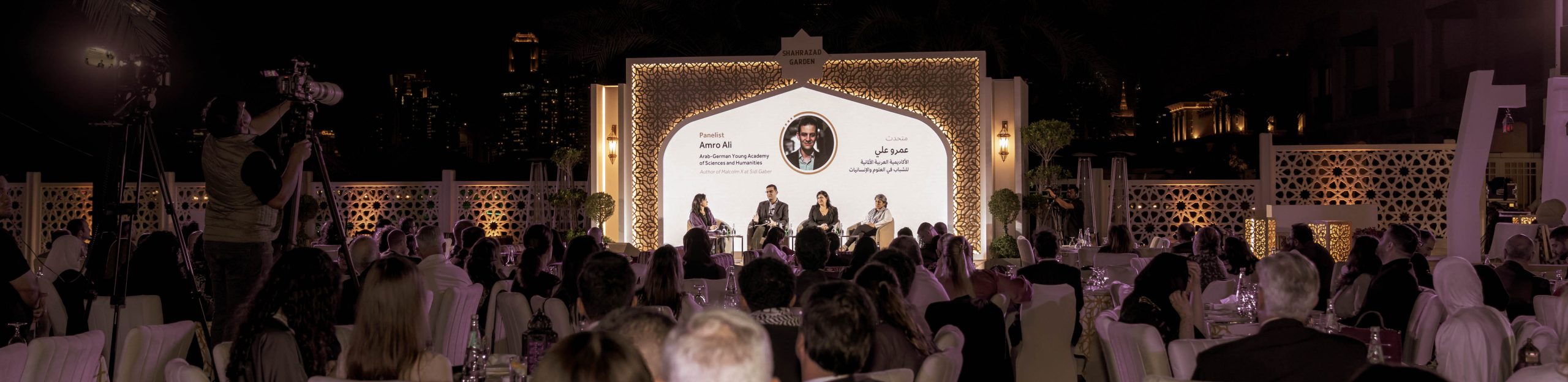
I focus on the Arab world and the Mediterranean basin where my work investigates how societies react to authoritarianism, extractive economics, forced migrations, and the Mediterranean north-south divide. Besides my academic work, I engage with cultural policy and civic initiatives in universities, civil society, regional and international organizations. In my UNESCO advisory role, I work towards strengthening the social sciences and humanities in the Middle East and its diaspora in Europe. I also write essays, fiction, and poetry.
I hold a PhD in Political Sociology and Political Philosophy from the University of Sydney, and a Master of Arts (Honours) in Middle Eastern and Central Asian Studies and a Master of Diplomacy from the Australian National University. My teaching and research have taken me to the University of Sydney, Freie Universität Berlin, the WZB Berlin Social Science Center, the American University in Cairo, Hassan II University of Casablanca, and the Arab-German Young Academy of Sciences and Humanities.
You can reach me at
This site’s title carries a line from French poet René Char which appears in the opening of Hannah Arendt’s Between Past and Future (1961): “Our inheritance was left to us by no testament.” I could think of no better line that captures the driving concern through much of my work on how societies inherit fractured pasts without clear guides for imagining futures.