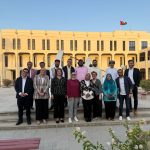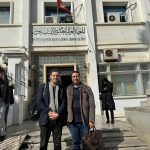
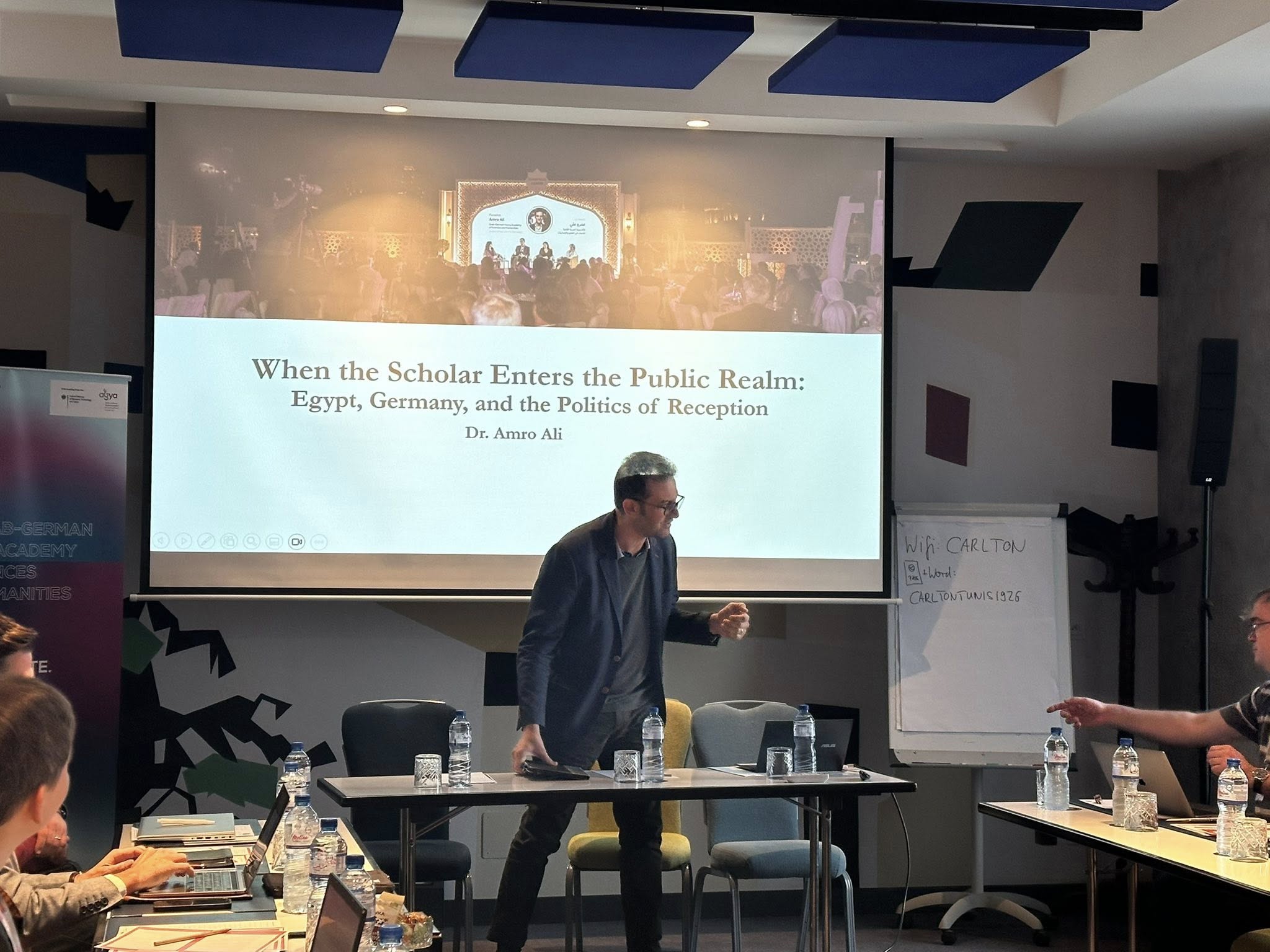
In my first autoethnographic paper which I presented in Tunis as part of the workshop The Standing and Understanding of Scholars in Society: Arab and European Experiences, I chart my journey on how scholars and public intellectuals are received in Egypt and Germany.
Based on my experiences from academia, policy work, and public writing, I argue that the scholar’s reception in Egypt and Germany exposes two distinct regimes of knowledge regulation, one shaped by state securitization, the other by memory politics and moral boundary-work.
My paper argued that the reception of public intellectuals reveals the moral architecture of a society, as public engagement does not merely expose the scholar; it reveals the deeper structures of each society, their anxieties, their memory politics, and their tolerance for dissent.
Some of the questions I pose are:
- How scholars can contribute meaningfully to public debate without becoming targets of politicized scrutiny?
- How does one come to terms with the public realm as a process of negotiated visibility under unequal conditions of risk?
- How can standup comedy (what Bakhtin describes as the carnivalesque), short fiction writing (Walter Benjamin would call “historical illumination”), and poetry (Adorno called it a “non-identical mode of thinking”) overcome the limitations imposed by academia and public intellectualism?
- How do we treat the political essay as form and method?
- What this means for scholars working across regions, institutions, and policy environments?